January 2026

Wage-Based Lottery System

Strategic H-1B Cap Filing in the Wage-Based Lottery System: How SOC Code and Wage Level Planning Maximize Selection Probability

Introduction The H-1B cap selection system administered by U.S. Citizenship and Immigration Services (USCIS) no longer operates as a purely random lottery. Under the current regulatory framework, registrations are ranked and selected based on prevailing wage levels, meaning that the manner in which a petition is structured—specifically the SOC classification, worksite location, and job design—has

Strategic H-1B Cap Filing in the Wage-Based Lottery System: How SOC Code and Wage Level Planning Maximize Selection Probability Read More »

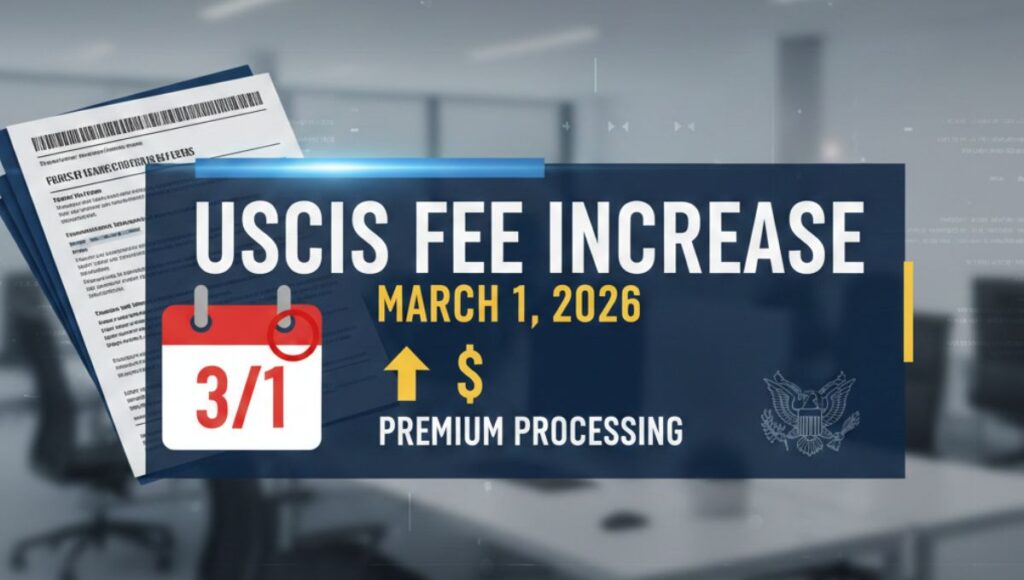
USCIS Premium Processing Fee Increase 2026

Important Client Alert: USCIS Premium Processing Fees Increasing March 1, 2026

Overview of the Final Rule The U.S. Department of Homeland Security (DHS) has issued a Final Rule authorizing an increase in filing fees for Premium Processing services administered by U.S. Citizenship and Immigration Services (USCIS). This fee adjustment is mandated by the USCIS Stabilization Act, which grants DHS statutory authority to revise Premium Processing fees

Important Client Alert: USCIS Premium Processing Fees Increasing March 1, 2026 Read More »

H-1B Visa Selection Reform

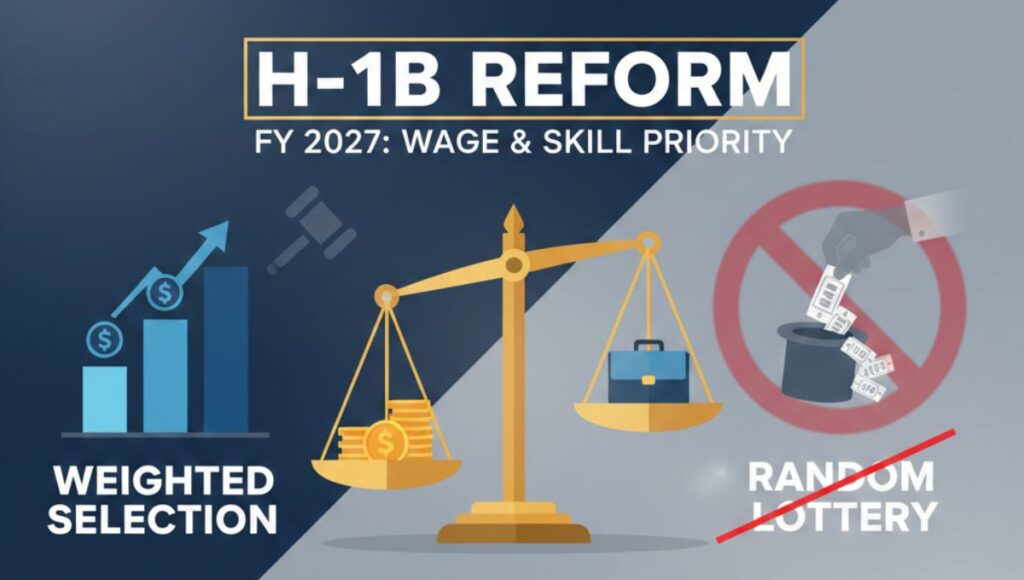
DHS Issues Final Rule Reforming H-1B Visa Selection to Prioritize Higher-Skilled and Higher-Paid Workers

The U.S. Department of Homeland Security (DHS) has finalized a rule significantly reforming the H-1B cap selection process. Effective February 27, 2026, the new rule replaces the prior random lottery selection system with a weighted selection framework that increases the likelihood of selection for H-1B beneficiaries who are higher-skilled and higher-paid. This revised selection system

DHS Issues Final Rule Reforming H-1B Visa Selection to Prioritize Higher-Skilled and Higher-Paid Workers Read More »

US Visa Bond Pilot Program

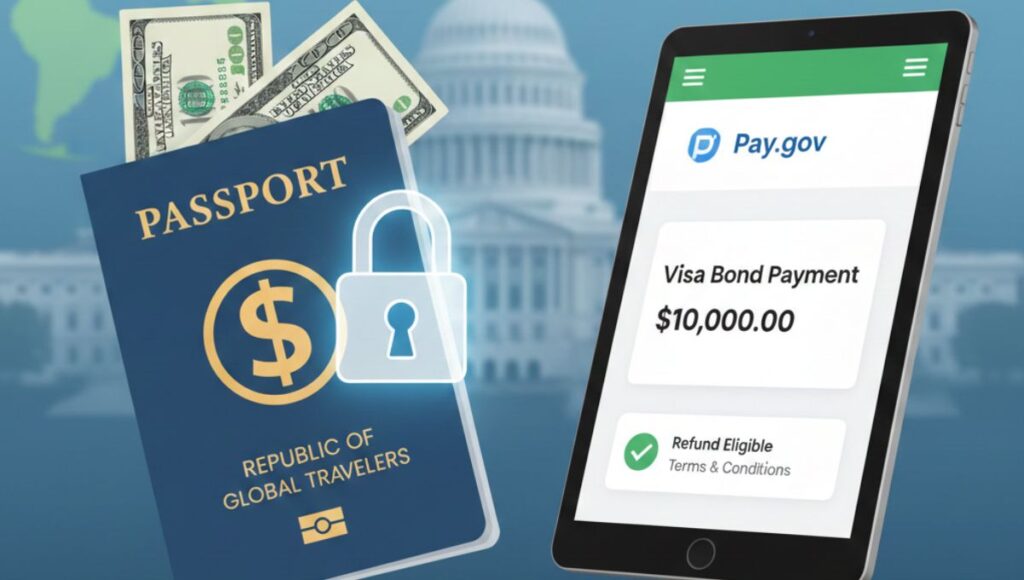
Expansion of the U.S. Visa Bond Pilot Program — Key Legal and Compliance Considerations

The U.S. Department of State has expanded participation in the Visa Bond Pilot Program, extending coverage to nationals of 38 designated countries who apply for B-1 (business) or B-2 (tourist) visas. Under this program, certain applicants may be required to post a refundable bond in the amount of $5,000, $10,000, or $15,000 as a condition

Expansion of the U.S. Visa Bond Pilot Program — Key Legal and Compliance Considerations Read More »

ESTA Compliance Guidance

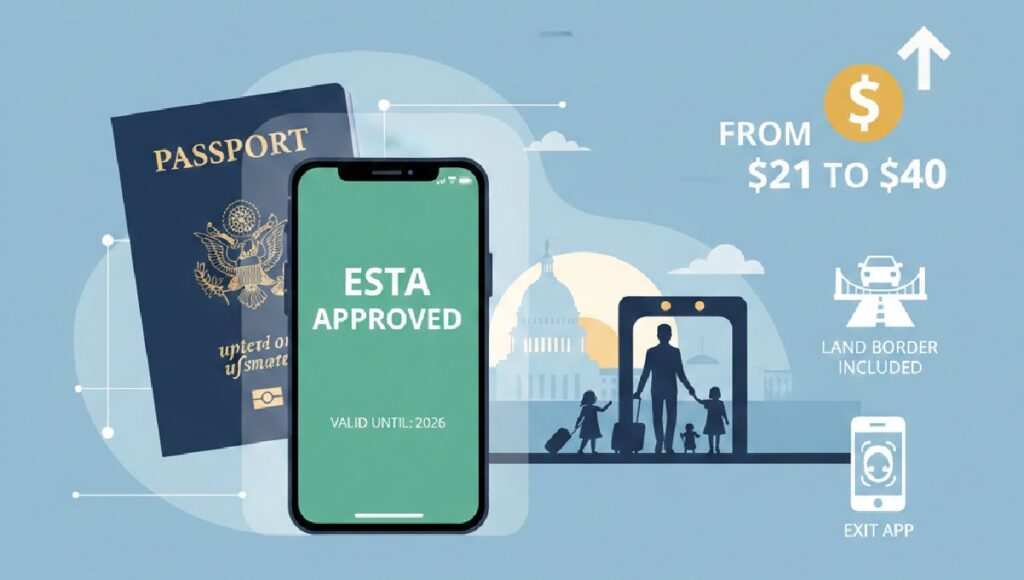
Updates to the Electronic System for Travel Authorization (ESTA): Key Compliance Guidance for Visa Waiver Program Travelers

The Electronic System for Travel Authorization (ESTA) is a mandatory pre-screening mechanism used by most travellers entering the United States under the Visa Waiver Program (VWP). Although ESTA has long been a core element of VWP travel, recent fee adjustments, policy clarifications, and data-collection initiatives highlight the importance of understanding evolving compliance obligations. This legal

Updates to the Electronic System for Travel Authorization (ESTA): Key Compliance Guidance for Visa Waiver Program Travelers Read More »

U.S. Visa Social Media Vetting

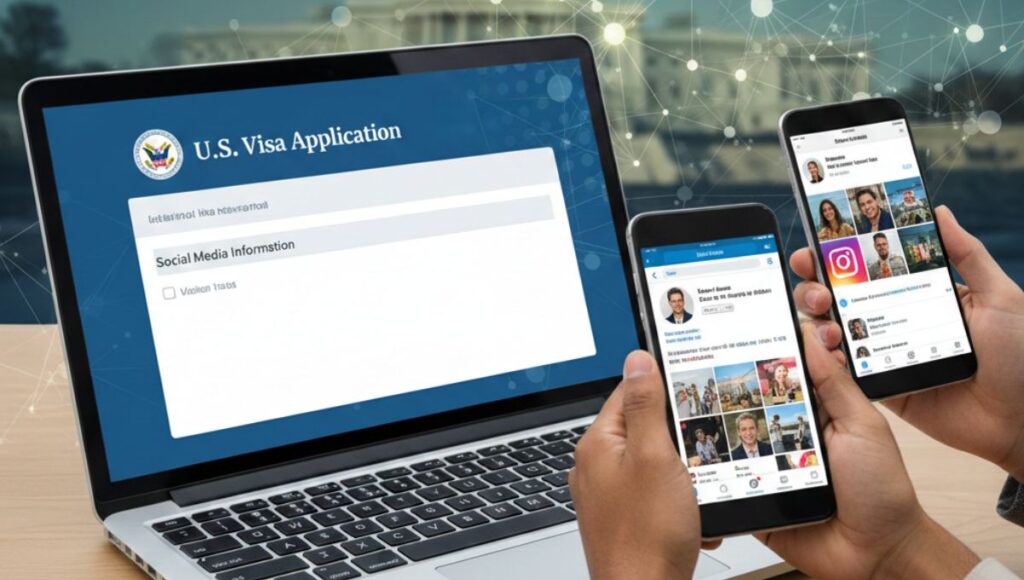
Expanded Social-Media Vetting for H-1B and H-4 Visa Applicants: Key Compliance Guidance for Employers and Foreign Nationals

U.S. immigration vetting continues to evolve as federal agencies strengthen national-security and identity-verification measures. One significant development is the expanded requirement for social-media disclosure during the non-immigrant visa application process. This requirement now applies broadly to H-1B specialty occupation workers and their H-4 dependent family members, similar to longstanding practices in student-visa categories such as

Expanded Social-Media Vetting for H-1B and H-4 Visa Applicants: Key Compliance Guidance for Employers and Foreign Nationals Read More »