
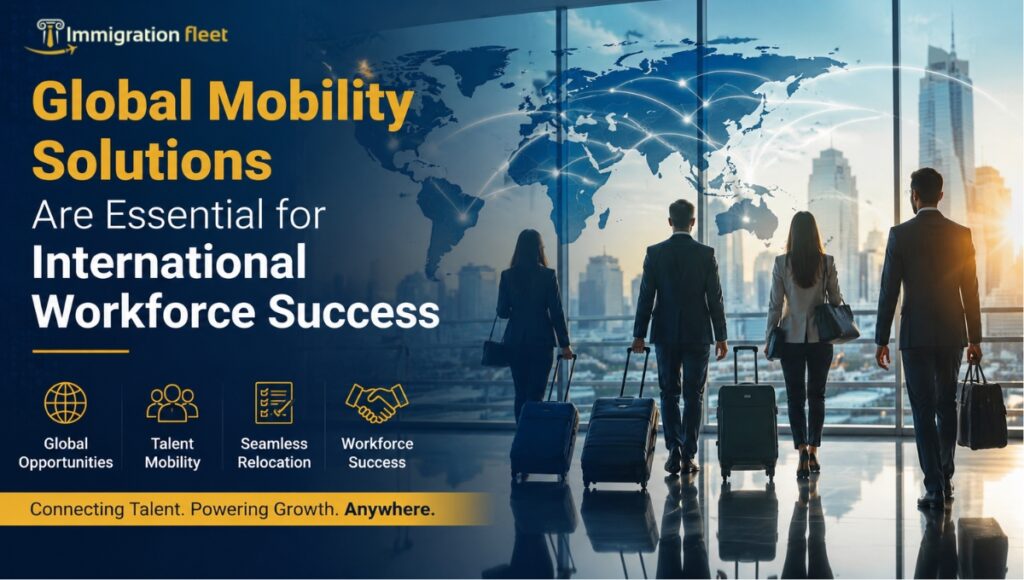
As organizations expand across borders, managing a distributed workforce becomes increasingly complex. Global mobility solutions have emerged as a critical framework that helps companies relocate, support, and retain talent across multiple countries while staying compliant with local laws. Without a structured approach, businesses risk costly delays, legal penalties, and disengaged employees.
Simplifying Cross-Border Compliance
One of the biggest challenges of international assignments is navigating immigration, tax, and labor regulations that differ from country to country. Global mobility solutions provide centralized visibility into visa requirements, work permits, and tax obligations, reducing the risk of non-compliance. This proactive approach protects both the employer and employee from unexpected fines or assignment disruptions.
Enhancing Employee Experience and Retention
Relocating for work can be stressful, involving housing searches, school enrollment, and cultural adjustment. A strong global mobility program offers relocation support, cultural training, and ongoing assistance that make transitions smoother. Employees who feel supported during international moves are more likely to stay engaged and committed, reducing costly turnover after assignments begin.
Streamlining Cost Management
International assignments often come with unpredictable expenses, from shipping household goods to housing allowances. Global mobility solutions use data-driven budgeting tools to forecast and control these costs, helping HR and finance teams allocate resources more effectively. This transparency allows companies to plan long-term mobility strategies without unwelcome financial surprises. international workforce management
Supporting Business Agility and Talent Strategy
Companies that can move talent quickly and efficiently gain a competitive edge in filling critical roles, entering new markets, or launching global projects. Global mobility solutions align workforce planning with broader business goals, ensuring the right people are in the right locations at the right time. This agility is especially valuable in industries facing skills shortages or rapid expansion.
Conclusion
Global mobility solutions are no longer optional for companies with international ambitions—they are a strategic necessity. By simplifying compliance, improving employee experience, controlling costs, and enabling business agility, these solutions empower organizations to build a resilient, mobile workforce ready to meet global challenges head-on.




 Immigration Fleet Law Firm