
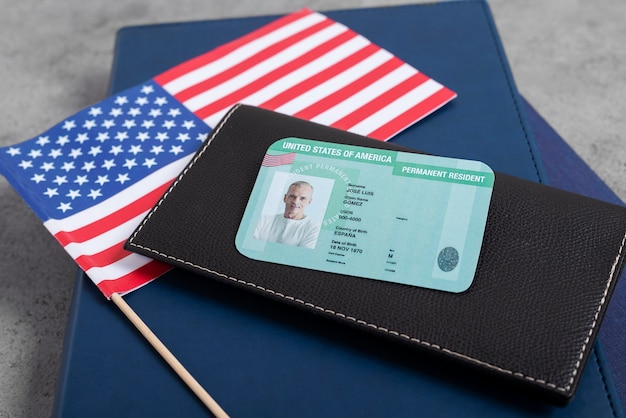
If you or a family member is applying for a green card or permanent residence in the United States, a major policy change is about to affect you. The U.S. Citizenship and Immigration Services (USCIS) has issued a final rule changing how it evaluates “public charge” — a legal test used to determine whether someone is likely to depend on government assistance. The new rule takes effect on September 18, 2026, and it introduces significant uncertainty for immigrant families, especially those in mixed-status households where some members are U.S. citizens and others are not.
Understanding what this rule means, who it affects, and what steps to take before it takes effect could be one of the most important things you do in your immigration journey. Here is a clear, practical breakdown of everything you need to know.
What Is the Public Charge Rule?
The public charge rule is a long-standing part of U.S. immigration law. When someone applies for a green card (lawful permanent residence) or certain visas, immigration officers evaluate whether that person is likely to become primarily dependent on the government for support — that is, become a “public charge.” If an officer determines this is likely, the application can be denied on grounds of inadmissibility.
For decades, the government followed a well-established framework for this evaluation, focusing on factors such as age, health, family size, assets, education, and financial resources. In 2022, under the Biden administration, a regulation was issued that clarified and limited which public benefits could be considered in this assessment. That rule specified that benefits like Medicaid, the Children’s Health Insurance Program (CHIP), nutrition assistance (SNAP), and housing vouchers would generally not count against an applicant.
That 2022 regulation is now being rescinded. The Trump administration’s new final rule, published in the Federal Register on July 20, 2026 (91 FR 45324), removes those specific guardrails and replaces them with broader officer discretion. A second related rule takes effect September 20, 2026.
What Has Changed Under the New USCIS Rule?
The core change is this: USCIS officers will no longer be guided by the specific, limited list of factors established by the 2022 regulation. Instead, they will have broader authority to consider a wider range of information when deciding whether an applicant might become a public charge.
According to the American Immigration Lawyers Association (AILA), the new rule:
- Eliminates clear guardrails that previously told officers which benefits to consider and which to ignore, creating unpredictability for applicants.
- Expands officer discretion significantly, raising the potential for inconsistent decision-making without clear accountability.
- Introduces significant uncertainty for applicants who cannot know what specific information an officer might weigh against their case.
- Disrupts the established framework that U.S. companies, employers, and families have relied upon when sponsoring employees and relatives for immigration benefits.
AILA President Jeff Joseph described the new rule as “a dagger in the heart of legal immigration, particularly for those seeking to reunite with family members,” warning that it “upends that framework, replacing it with uncertainty and broad discretion that risks arbitrary decision-making without accountability.” AILA and coalition partners submitted public comments raising serious concerns during the rulemaking process, but the Administration proceeded with the rule.
Who Is Most Affected?
The public charge rule applies primarily to individuals applying for:
- Adjustment of Status (Form I-485) — applying for a green card from inside the United States
- Immigrant visas through consular processing — applying for a green card from outside the U.S. at a U.S. embassy or consulate
- Certain nonimmigrant visa applicants seeking admission, extension, or change of status in specific categories
Importantly, many groups are exempt from the public charge test entirely by law. These include refugees, asylees, VAWA self-petitioners, special immigrant juveniles, certain trafficking and crime victims (T and U visa holders), and others. If you fall into one of these protected categories, the public charge rule does not apply to your case.
The group most affected by the broader chilling effects of this rule is likely to be mixed-status families — households where a U.S. citizen or lawful permanent resident lives with a family member who is in the immigration process. AILA Executive Director Ben Johnson warned: “U.S. citizens who are fully eligible for benefits will forgo health care, nutrition assistance, and other basic supports out of fear that using them could jeopardize a loved one’s immigration status. That is short-sighted, and the consequences for public health and economic stability will be felt in communities across the country.”
This chilling effect is well-documented: when families fear that using any government benefit will hurt their immigration case, they often avoid services they and their children are legally entitled to — including medical care for American-born children.
What Should Immigrants and Families Do Before September 18, 2026?
The rule takes effect September 18, 2026, which means you still have a window of time to prepare. Here is what immigration experts recommend:
- Review any pending or planned green card applications. If you have filed Form I-485 or are preparing to do so, consult with a qualified immigration attorney now to understand how the new broader discretionary standard may affect your specific case.
- Strengthen your financial documentation. Since officers will have broader discretion, presenting the strongest possible record of your assets, income, employment history, and financial resources is more important than ever. Gather pay stubs, bank statements, tax returns, and employer letters.
- Do not stop using benefits you are legally entitled to without first getting legal advice. Many benefits — particularly for U.S. citizen children — will not automatically hurt an immigrant family member’s application. But you need individualized guidance, not general information. An immigration attorney can review your specific situation.
- Understand what has historically been excluded. Emergency medical care, disaster relief, school lunch programs, WIC (Women, Infants, and Children), CHIP, and most Medicaid services have traditionally not been counted against applicants. However, given the new rule’s broader discretionary framework, always confirm the current status with an attorney.
- Act before the September 18, 2026 effective date. If you are anywhere in the green card process — whether sponsored by a family member or an employer — speak with an immigration lawyer before the new rule takes effect to assess your situation under both the current and upcoming standards.
The Broader Impact on Immigrant Communities
Critics of the new rule argue that its effects will ripple far beyond individual immigration cases. When immigrant families — including those with U.S. citizen children — avoid public health programs, nutrition assistance, or housing services out of fear, entire communities experience higher rates of untreated illness, food insecurity, and housing instability. These consequences affect hospitals, schools, public health systems, and local economies.
AILA’s Executive Director emphasized that this rule “is designed to punish the citizens this Administration dislikes: those in mixed-status families.” The association is urging the Administration to shift course and “maintain clear, consistent standards that ensure fair adjudications and protect the well-being of families.”
Whether or not legal challenges to the rule succeed in delaying or blocking it, immigrants and their families should plan and prepare as if it will take effect on schedule. Courts have issued rulings on immigration matters quickly in recent years, and the situation could change — but you should not depend on that.
Conclusion: Stay Informed and Act Now
The USCIS public charge final rule represents one of the most significant changes to U.S. immigration policy in recent years. By removing the specific, transparent framework that helped immigrant families understand what benefits might affect their case, it introduces a new level of unpredictability into the green card and visa process. The September 18, 2026 effective date is fast approaching.
If you have questions about how this rule may affect your immigration case, do not wait. Speak with a qualified immigration attorney who can review your specific situation, evaluate your financial profile, and help you build the strongest possible application record before the new standards take effect.
For full legal analysis, updates as this rule evolves, and to find a qualified immigration attorney in your area, visit the American Immigration Lawyers Association at aila.org. AILA’s Find an Immigration Lawyer tool can connect you with experienced legal professionals near you.




 Immigration Fleet Law Firm