
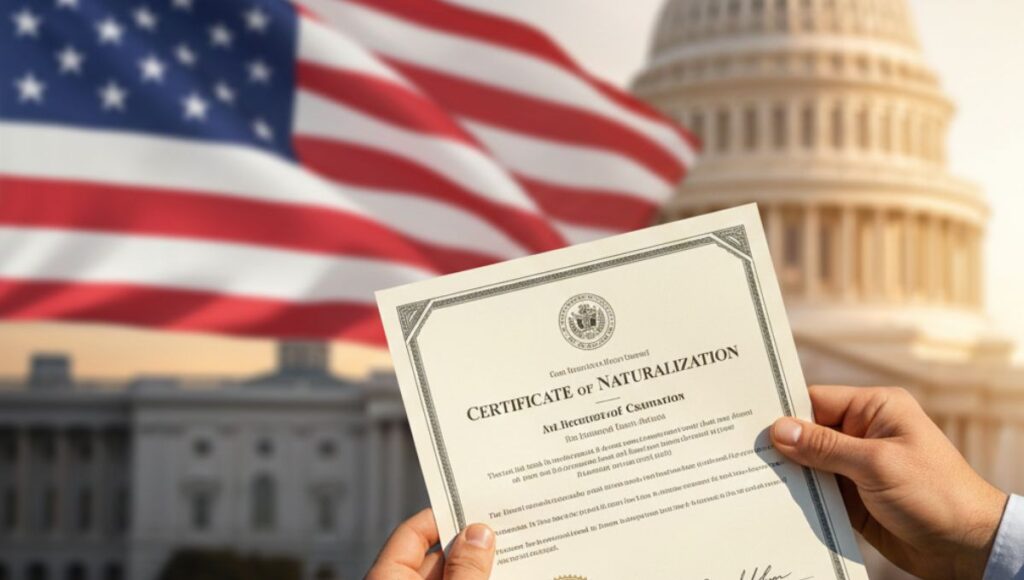
Form N-400, Application for Naturalization, is the petition filed by a lawful permanent resident (LPR) seeking to become a United States citizen through the process of naturalization. It is governed by the Immigration and Nationality Act (INA), Title 8 of the Code of Federal Regulations (8 CFR), and the U.S. Citizenship and Immigration Services (USCIS) Policy Manual. This guide provides a complete, formal, and legally grounded explanation of every major aspect of the application.
1. Legal Basis for Naturalization
Naturalization is authorized under INA § 310–319, 8 CFR 316, 319, and the USCIS Policy Manual, Volume 12.
USCIS Discretionary Authority
USCIS has discretionary authority to approve or deny a naturalization request based on statutory eligibility and the applicant’s demonstration of:
- Good moral character
- Continuous residence
- Physical presence
- Attachment to the principles of the U.S. Constitution
2. Eligibility Categories for Filing Form N-400
USCIS recognizes multiple statutory bases for naturalization.
2.1 General Naturalization (5-Year Rule) – INA § 316(a)
A lawful permanent resident is eligible to apply if they meet the following criteria:
5-Year Pathway Requirements
- Have maintained permanent resident status for at least 5 years immediately preceding filing.
- Have resided continuously in the United States for those 5 years.
- Have been physically present in the U.S. for at least 30 months.
- Have resided for at least 3 months within the jurisdiction of the USCIS field office handling the application.
- Demonstrate good moral character during the statutory period.
- Demonstrate basic proficiency in English (reading, writing, speaking).
- Pass the civics examination.
- Demonstrate attachment to the principles of the U.S. Constitution.
2.2 Marriage to a U.S. Citizen (3-Year Rule) – INA § 319(a)
An LPR may apply after 3 years if they meet these criteria:
- They have been living in marital union with a U.S. citizen for 3 years.
- The spouse has been a U.S. citizen for the entire period.
- Applicant meets continuous residence (3 years) and physical presence (18 months) requirements.
- Marriage is bona fide—not for immigration purposes.
2.3 Military Naturalization – INA §§ 328, 329
Qualifying service members may naturalize with reduced or waived residency requirements. Benefits include no continuous residence or physical presence requirement (INA § 329) and fee exemption for eligible military applicants.
2.4 Applicants with Pending I-751 (Conditional Residents)
A conditional resident may apply for naturalization while Form I-751 is pending, provided statutory naturalization requirements are met. USCIS will adjudicate the I-751 before approving naturalization.
3. Continuous Residence Requirement
3.1 Definition of Continuous Residence
Continuous residence refers to maintaining a principal dwelling place in the United States during the statutory period.
3.2 Interruptions of Residence (Absences)
- Absences of 6 months to 1 year create a presumption of disruption. The applicant must rebut this with evidence (employment, family ties, tax filings, property ownership).
- Absences over 1 year break continuous residence unless protected by Form N-470 (rare exceptions).
4. Physical Presence Requirement
Applicants must demonstrate actual physical presence in the United States for:
- 30 months (5-year pathway)
- 18 months (3-year marriage pathway)
5. Good Moral Character (GMC)
USCIS evaluates GMC pursuant to INA § 101(f) and 8 CFR 316.10, assessing conduct during the 3 or 5-year statutory period (and outside the period if relevant).
5.1 Automatic Bars to Good Moral Character
Statutory Automatic Bars
Applicants are automatically barred from demonstrating GMC for:
- Aggravated felonies
- Murder
- Persecution
- False claim to U.S. citizenship
- Fraudulent voting
- Certain criminal offenses
5.2 Discretionary Concerns and Red Flags
USCIS may raise concerns regarding:
- DUI/DWI offenses
- Domestic violence or protective orders
- Tax delinquencies without a payment plan
- Failure to support dependents
- Failure to register for Selective Service (for males age 18–26)
- Misrepresentation in immigration matters
- Criminal arrests even without conviction
Required Documentation for Discretionary Issues
Applicants should provide certified court records for any citation, arrest, or conviction.
6. English and Civics Requirements
English Language Requirement
Applicants must demonstrate the ability to speak, read, and write simple words and phrases in ordinary usage.
Civics Examination
Applicants are tested on American history, government structure, and Constitutional principles. A passing score is 6 out of 10 questions.
Exemptions and Waivers
Age + Residency Exemptions
- 50/20 rule: Age 50 with 20 years as LPR (English waived).
- 55/15 rule: Age 55 with 15 years as LPR (English waived).
- 65/20 rule: Simplified civics test.
Medical Disability Waiver (Form N-648)
Form N-648 may exempt an applicant from the English and/or civics requirements due to qualifying medical conditions.
7. Required Documentation for N-400
A complete application typically includes these categories of evidence:
Identity & Status Documents
- Green Card (front and back)
- Government-issued ID
- Passport(s) used since becoming LPR
Travel & Residence Evidence
- Full travel history dates
- Addresses for past 5 or 3 years
- Proof of maintaining residence
Marriage-Based Application Proof
- Marriage certificate
- Spouse’s proof of U.S. citizenship
- Evidence of bona fide marital union (tax returns, leases, bank statements)
Criminal, Selective Service, and Financial Records
- Certified court dispositions and police reports
- Selective Service registration card or status information letter
- IRS transcripts (recommended) and proof of payment plans for any owed taxes
- Child support evidence where applicable (support of dependents)
8. Filing Fees (2025 Data)
Total Filing Cost
- Filing Fee (Form N-400): $710
- Biometric Fee: $50
- Total: $760
Fee Waivers / Reductions
- Form I-912 for a full waiver (income-based).
- Form I-942 for a reduced fee for qualifying applicants.
- Military applicants may be exempt from fees under certain sections.
9. How to File
9.1 Online Filing (Preferred)
Online filing benefits include faster case updates, secure document upload, digital RFE response, and real-time case status.
9.2 Paper Filing
Applicants must mail their application to the correct USCIS Lockbox based on their state.
10. Case Processing Timeline
Typical Processing Steps and Duration
Although processing times vary by field office, a typical timeline is:
- Receipt Notice: 1–3 weeks
- Biometrics Appointment: 3–8 weeks
- Interview Notice: 6–12 months
- N-400 Interview & Exams: Scheduled by local USCIS office
- N-652 Notice of Results issued same day
- Oath Ceremony: same day or 1–5 months later
The total average processing time is approximately 7–15 months.
11. The N-400 Interview
The interview is a comprehensive process that includes multiple components.
Interview Components
English and Civics Tests
The interview includes the English speaking test (assessed during questioning) , the reading and writing tests (one sentence each) , and the Civics Test (based on the 100-question USCIS study guide).
Comprehensive Review of N-400 Form
The officer evaluates:
- Travel history
- Employment consistency
- Residential history
- Tax compliance
- Marriage validity
- Criminal history
- Security-related questions
Interview Results
Results are either:
- Approved (eligible for oath)
- Continued (RFE issued)
- Denied (written decision with appeal rights)
12. Oath Ceremony and Post-Naturalization Steps
Steps to Complete Naturalization
The naturalization process is not complete until the applicant:
- Swears the Oath of Allegiance to the United States
- Surrenders Green Card
- Receives the Certificate of Naturalization
Actions for New U.S. Citizens
After the ceremony, the new citizen should apply for a U.S. passport, register to vote, and update their Social Security and USCIS records.
13. Common Legal Issues and Red Flags
USCIS may issue RFEs or deny applications due to:
13.1 Criminal History
Even minor offenses require disclosure.
13.2 Tax Problems
Owing taxes is not an automatic bar, but lack of a formal payment plan is.
13.3 Marriage-Based Concerns
USCIS will scrutinize shared residence, joint documentation, and history of marital separations.
13.4 False Statements / Misrepresentations
Any untruthful answer may result in denial and potential removal proceedings.
13.5 Selective Service Registration
Men aged 18–26 who failed to register must explain the omission.
14. Post-Denial Options
If denied, applicants may pursue:
- N-336 Hearing Request (appeal before a different officer)
- Re-filing the N-400 with updated evidence
- Federal court review under INA § 310(c)
Conclusion
Form N-400 is a critical and legally complex application requiring a clear understanding of statutory eligibility, documentary requirements, and USCIS adjudication standards. Proper preparation significantly increases the likelihood of approval and ensures applicants are fully compliant with all federal regulations




 Immigration Fleet