
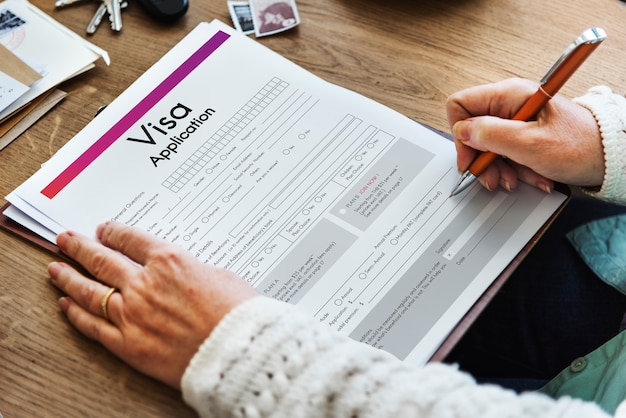
If you or your employer is considering hiring temporary non-agricultural seasonal workers from abroad, there is an important deadline you need to know about. The U.S. Department of Labor’s Office of Foreign Labor Certification (OFLC) has reminded employers and immigration practitioners that the three-day filing window for H-2B visa applications with an October 1, 2026 work start date opens on July 3, 2026, at 12:00 a.m. Eastern Time and closes on July 5, 2026, at 11:59 p.m. Eastern Time. Missing this window could mean waiting months for the next opportunity.
For immigrants and seasonal workers counting on H-2B status to legally work in the United States this fall, understanding how this process works — and what your employer must do — is essential. October 1, 2026, marks the beginning of the first semi-annual visa allotment for Fiscal Year 2027, meaning it represents a fresh pool of H-2B visas. Demand for these slots is high, and the three-day window is strictly enforced.
In this guide, we break down everything you need to know about the H-2B visa, this specific filing window, and what steps both workers and employers must take right now.
What Is the H-2B Visa and Who Does It Cover?
The H-2B visa is a non-immigrant work visa that allows U.S. employers to hire foreign nationals to fill temporary, non-agricultural positions when there are not enough qualified U.S. workers available. It is widely used in industries such as hospitality, landscaping, amusement parks, resorts, seafood processing, construction, and other seasonal or one-time-occurrence jobs.
Unlike the H-1B visa, which is for specialty occupation workers, or the H-2A visa, which covers agricultural workers, the H-2B is specifically designed for temporary non-farm employment. Workers approved for H-2B status can legally live and work in the United States for the duration of their approved employment period, which typically aligns with the employer’s stated need.
H-2B workers may bring their spouse and minor children under age 21 on H-4 dependent visas. However, H-4 visa holders in the H-2B context do not automatically have employment authorization — they may live in the U.S. but cannot work unless they obtain a separate work authorization.
Why the July 3–5, 2026 Filing Window Matters
The H-2B program is subject to a statutory cap — Congress has set a limit on how many H-2B visas can be issued each fiscal year. For Fiscal Year 2027, October 1, 2026 is the first day of the new semi-annual visa allocation period. The Department of Labor has established a narrow three-day filing window to ensure fair access to the earliest possible work start date.
Here is the critical timeline:
- July 3, 2026, 12:00 a.m. ET — Filing window opens. Applications for Form ETA-9142B (H-2B Application for Temporary Employment Certification) with a 10/1/26 start date may be submitted starting at this exact time.
- July 5, 2026, 11:59 p.m. ET — Filing window closes. Applications submitted after this time, but still requesting a 10/1/26 start date, will be denied.
OFLC will not process applications requesting an October 1, 2026 start date that are submitted before the window opens — those will also be denied. After the window closes, all applications submitted during the three-day period will be randomly ordered (a “randomization” or lottery procedure) before being assigned to analysts for review. This means filing earlier within the three-day window does not give an employer an advantage over one filing later in the window.
What Employers Must Submit During the Filing Window
For seasonal workers, it is important to understand that your employer is responsible for initiating the H-2B process, not you. The employer must file Form ETA-9142B along with supporting documentation directly with OFLC.
OFLC shared several important filing tips in its June 26, 2026 announcement:
- One application per job opportunity. Employers should only submit one ETA-9142B per job position to avoid duplicate filings that can cause delays in processing.
- Board, lodging, and facilities disclosures. If the employer provides housing or meals and may deduct those costs from a worker’s pay, those deductions and amounts must be described in the application form.
- Concurrent job order. The employer must also submit their job order to the State Workforce Agency (SWA) serving the area of intended employment at the same time they file the ETA-9142B.
- Appendix B signatures. The required Appendix B (employer attestation) must contain original, current signatures. The version of Appendix B expiring June 30, 2026 is still acceptable if it bears recent signatures.
For H-2B workers, knowing these requirements helps you ensure that the employer sponsoring you is filing correctly and on time — because errors or missing documentation can result in denial or significant delays.
How the Randomization Process Works
Because many employers file applications during the same three-day window, OFLC uses a randomization procedure to assign order for review. All applications received between July 3 and July 5, 2026, requesting a 10/1/26 start date will be randomly ordered after the window closes. This fair, lottery-style process was established in a Federal Register notice from March 2019.
This process exists to prevent the system from unfairly favoring employers with faster internet connections or filing technology. No employer is guaranteed a spot in the first round of processing simply because they file at 12:00:01 a.m. on July 3. The randomized order means all timely applications compete equally.
However, H-2B visas are numerically limited and often oversubscribed. If the cap is reached before your application is adjudicated, you may have to wait for the second half of FY2027. This is why many employers with predictable seasonal needs file as early as legally possible — missing the October 1 window can mean losing workers until early 2027.
Practical Steps for H-2B Workers: What You Should Do Now
If you are a seasonal worker hoping to return to the U.S. under H-2B status starting October 1, 2026, here is what you should focus on right now:
- Confirm with your employer. Contact your U.S. employer to confirm they intend to file an H-2B application during the July 3–5 window. Ask them to confirm the filing date and the start date they will request.
- Gather your documents. Make sure you have a valid passport, your previous visa documentation, and any prior U.S. work authorization records readily available. Your employer may need copies for the petition package.
- Understand the full timeline. Once your employer’s labor certification is approved by OFLC, they must then file Form I-129 with USCIS. After USCIS approves, you will apply for your H-2B visa at a U.S. consulate abroad. This entire process can take several months, so early action matters.
- Beware of illegal recruiter fees. U.S. law prohibits charging workers recruitment fees for H-2B jobs — this cost must be borne by the employer. If any recruiter asks you to pay for placement, report them to the U.S. Department of Labor.
What Happens After the Filing Window Closes?
Once the July 3–5, 2026 window closes, OFLC will randomly order all applications and begin assigning them to analysts for review. If a labor certification is approved, the employer can proceed with USCIS to file the I-129 petition. USCIS processes H-2B petitions after labor certification approval.
Employers who miss the three-day window and still need workers starting October 1, 2026, must comply with standard timeliness requirements outlined in 20 CFR 655.15(b), which generally requires applications to be filed at least 60 to 75 days before the intended start date. If the October 1 cap is reached, USCIS may stop accepting new petitions for that cap period until the next allocation opens in early 2027.
Conclusion
The H-2B filing window opening July 3–5, 2026 is a time-sensitive opportunity for employers to secure temporary work authorization for seasonal workers starting October 1, 2026. For immigrant workers who rely on H-2B status to legally work in the United States each season, understanding this process — and ensuring your employer is prepared — can make all the difference.
If your employer has questions about the filing requirements or tips for accurate submission, OFLC’s full announcement contains detailed guidance. For personalized legal advice about your H-2B status, timeline, or rights as a worker, consult a qualified immigration attorney. For the full official details and legal commentary on this and other immigration developments, visit the American Immigration Lawyers Association at aila.org.



 Immigration Fleet Law Firm