
Introduction
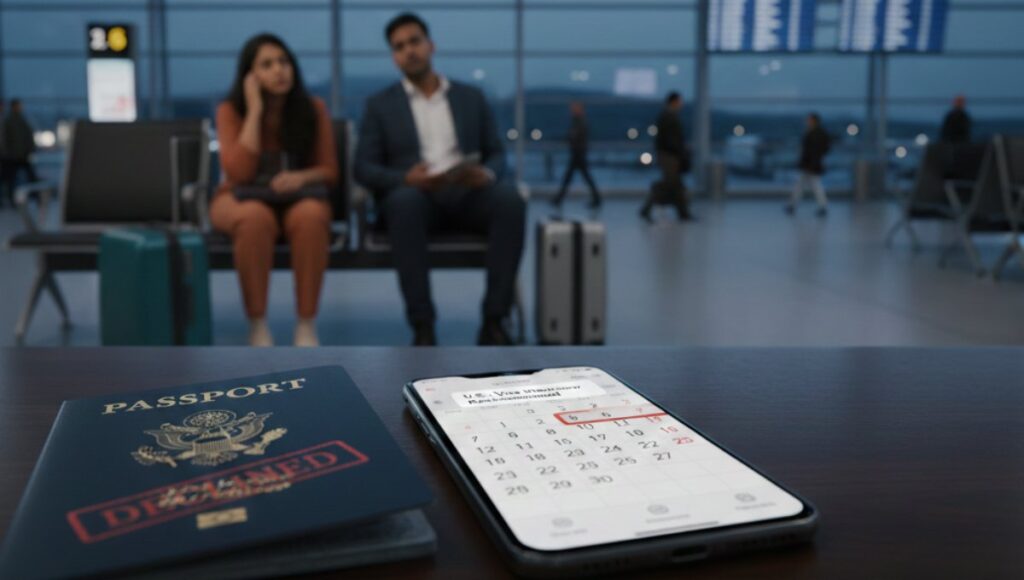
Beginning in December 2025, U.S. consular posts—particularly in high-volume jurisdictions such as India—have initiated widespread rescheduling of non-immigrant visa interview appointments into 2026 and, in some cases, 2027. These postponements affect applicants across multiple employment-based non-immigrant categories, including H-1B, H-4, L-1, L-2, and related classifications.
Importantly, these extended delays did not persist uniformly over the prior year. Rather, the most significant forward-dating of interview appointments has emerged from late 2025 onward, reflecting a shift in operational capacity and policy implementation at U.S. consular posts.
This development represents a material change in visa processing timelines and carries significant legal, professional, and personal implications for foreign nationals and U.S. employers alike.
Background and Policy Developments
The U.S. Department of State (DOS) has implemented a series of operational, security, and procedural changes that have directly impacted consular processing capacity. The principal contributing factors include the following:
1. Expanded Security and Background Screening Requirements
Consular officers are now required to conduct more extensive pre-interview vetting, including enhanced background checks and review of applicants’ online and digital presence. These requirements increase the adjudication time per case and, correspondingly, reduce the number of interviews that can be conducted daily.
2. Narrowing of Interview Waiver Eligibility
Recent policy adjustments have significantly limited eligibility for interview waivers, resulting in a larger population of applicants being required to appear for in-person interviews. This shift has substantially increased demand for interview slots at already overburdened posts.
3. Staffing and Operational Constraints
Despite sustained high application volumes, many U.S. consular posts continue to operate with limited staffing and constrained operational capacity. These limitations have prevented posts from expanding interview availability at a pace sufficient to meet demand.
Taken together, these developments have resulted in large-scale rescheduling of visa interviews, frequently with limited advance notice and with newly assigned dates extending well beyond prior historical norms.
Legal and Practical Implications
1. Impact on Employment Authorization and Continuity
For non-immigrant workers in H-1B, L-1, and similar classifications who depart the United States for visa stamping, prolonged interview delays may prevent timely re-entry. Although USCIS approval notices may remain valid, a valid visa stamp is required for admission, effectively placing employment on hold during the applicant’s absence.
Employers may consequently face:
- Disruption of critical business operations
- Project delays and client impact
- Compliance challenges related to payroll, worksite obligations, and immigration recordkeeping
2. Family Separation and Dependent Hardship
Dependents in H-4 or L-2 status are similarly affected by these delays. Prolonged consular backlogs can result in:
- Extended family separation
- Delays in school enrollment
- Postponement of medical, housing, or personal plans
3. Business and Compliance Risks for Employers
Extended absences of key personnel may create operational risk and, in certain circumstances, complicate compliance with Department of Labor (DOL) and immigration requirements—particularly where worksite locations, job duties, or wage obligations are implicated.
Consular Discretion and Limited Legal Remedies
Visa issuance and scheduling remain subject to broad consular discretion, and judicial review of visa delays is extremely limited under U.S. law. While case-specific actions—such as consular inquiries, congressional assistance, or targeted legal escalation—may be appropriate in limited circumstances, there is no universal legal mechanism that guarantees expedited interview scheduling.
Accordingly, advance planning and strategic legal assessment are essential.
Recommended Best Practices for Applicants and Employers
From a legal risk-management perspective, foreign nationals and sponsoring employers should consider the following measures:
- Avoid nonessential international travel where visa stamping is required
- Monitor consular appointment portals regularly for cancellations or newly released slots
- Ensure strict consistency between USCIS petitions and consular documentation
- Prepare for enhanced scrutiny, including expanded background and online presence reviews
- Seek legal guidance prior to making travel, employment, or relocation decisions
Immigration Fleet Law Firm – Professional Recommendation
Immigration Fleet Law Firm advises employers and foreign nationals to proactively reassess visa and travel strategies in light of the current consular environment.
The firm recommends:
- Strategic planning for extensions and amendments well in advance of expiration dates
- Close employer–employee coordination to minimize business disruption
- Legal evaluation of case-specific options, including change of status, consular alternatives, or deferred travel
- Continuous monitoring of consular policy developments and appointment availability trends
With experienced immigration counsel, many risks associated with prolonged consular delays can be anticipated, mitigated, and managed through careful compliance planning.
Conclusion
The emergence of U.S. consular interview postponements into 2026 and 2027—beginning in December 2025—marks a significant shift in non-immigrant visa processing standards. Although driven by security and operational considerations, the practical consequences for professionals, families, and employers are substantial.
Until consular processing capacity stabilizes, foreign nationals and employers must approach international travel and visa planning with heightened caution, legal awareness, and strategic foresight. Proactive consultation with experienced immigration counsel remains the most effective means of navigating this evolving and uncertain landscape.


 Immigration Fleet