
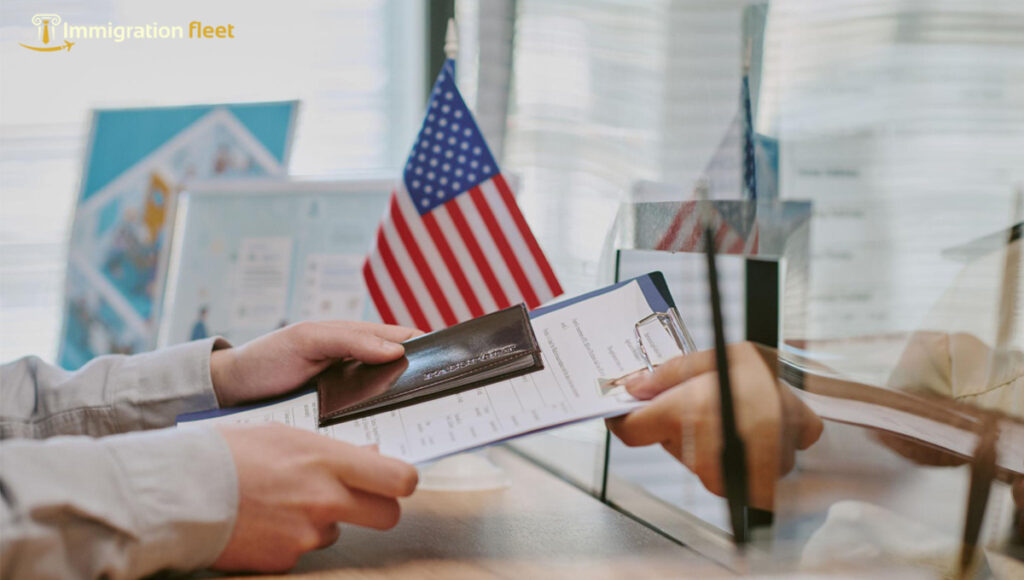
When applying for a visa, green card, or other immigration benefit, receiving a USCIS Request for Evidence (RFE) can feel stressful. However, an RFE does not mean your application has been denied. It simply means that the U.S. Citizenship and Immigration Services (USCIS) needs additional information before making a decision on your case. USCIS immigration attorney
Understanding the most common RFEs and responding correctly can significantly improve your chances of approval.
What Is a USCIS Request for Evidence (RFE)?
An RFE is an official notice from USCIS requesting additional documents or clarification regarding an immigration petition or application. USCIS issues RFEs when the evidence submitted is insufficient, incomplete, or unclear.
Applicants are typically given a specific deadline to respond. Failing to submit the requested evidence within the deadline may result in a denial.
Common Reasons USCIS Issues RFEs
Missing Supporting Documents
One of the most common reasons for an RFE is missing documentation. USCIS may request:
- Birth certificates
- Marriage certificates
- Employment verification letters
- Tax returns
- Financial records
- Educational credentials
Ensuring all required documents are included during initial filing can help avoid delays.
Insufficient Proof of Relationship
For family-based immigration petitions, USCIS often requests additional evidence to verify a genuine relationship. This may include:
- Joint bank statements
- Lease agreements
- Family photographs
- Communication records
- Affidavits from friends and relatives
Employment-Based Evidence Issues
Employment-based visa petitions such as H-1B, L-1, or PERM-based green cards frequently receive RFEs regarding:
- Job duties and specialty occupation requirements
- Employer-employee relationship
- Beneficiary qualifications
- Wage and employment details
Providing detailed job descriptions and supporting documentation can strengthen the case.
Financial Sponsorship Concerns
For family-sponsored immigration applications, USCIS may seek additional proof that the sponsor meets income requirements. Applicants may need to provide:
- Recent tax returns
- W-2 forms
- Pay stubs
- Employment verification letters
How to Respond to a USCIS RFE
Read the RFE Carefully
Review every request and understand exactly what USCIS is asking for. Missing even one item can negatively impact the application.
Organize Your Evidence
Prepare a clear and well-structured response package. Label documents properly and include a cover letter summarizing the evidence provided.
Submit Before the Deadline
USCIS strictly enforces response deadlines. Send your response well before the due date and keep copies of everything submitted.
Seek Professional Guidance
Complex RFEs often require legal analysis and strategic documentation. Consulting an experienced immigration attorney can help ensure a thorough and persuasive response. Business Immigration Attorney USA
Conclusion
Receiving a USCIS RFE is common and should not be viewed as a denial. By understanding the reason for the request, gathering strong supporting evidence, and responding accurately before the deadline, applicants can improve their chances of a successful outcome. Careful preparation and professional guidance can make a significant difference in navigating the immigration process effectively.




 Immigration Fleet Law Firm