
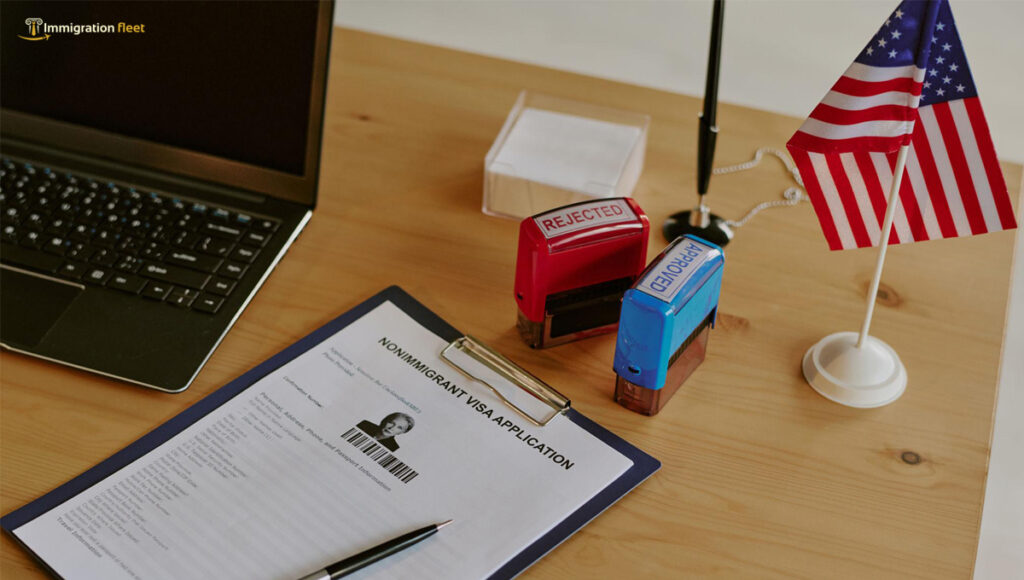
Receiving a Request for Evidence (RFE) from the United States Citizenship and Immigration Services (USCIS) can feel stressful, but it does not automatically mean your immigration application will be denied. An RFE simply means USCIS needs additional information or supporting documents before making a final decision on your case. Understanding the common reasons for RFEs and knowing how to respond properly can significantly improve your chances of approval.
What Is a USCIS RFE?
A USCIS RFE is an official notice requesting more evidence to support your immigration petition or application. RFEs are commonly issued for family-based visas, employment visas, green card applications, adjustment of status cases, and citizenship applications.
The notice usually explains:
- What documents or information are missing
- Why the evidence is needed
- The deadline to respond
Applicants must carefully follow the instructions and submit all requested evidence before the deadline.
Common Reasons for USCIS RFEs
Several issues can trigger an RFE during the immigration process. Some of the most common reasons include:
Missing or Incomplete Documents
Failure to submit required forms, financial records, identification documents, or supporting evidence may result in an RFE.
Insufficient Financial Evidence
Family sponsors or employers may need to provide additional proof of income, tax returns, or employment verification.
Relationship Verification
Marriage-based and family immigration cases often require more evidence proving a genuine relationship, such as photographs, joint bank statements, or communication records.
Employment Verification Issues
Employment-based petitions may require additional proof regarding job duties, qualifications, work experience, or employer legitimacy.
Translation Problems
Documents in foreign languages must include certified English translations. Missing translations can lead to delays.
How to Respond Successfully to an RFE
The first step is to read the RFE notice carefully and understand exactly what USCIS is requesting. Organize all requested documents clearly and provide accurate information. Avoid sending unnecessary paperwork that may confuse the reviewing officer.
Helpful response tips include:
- Respond before the deadline
- Include a copy of the RFE notice
- Label all supporting documents properly
- Submit complete and legible copies
- Provide professional translations when required
- Seek legal guidance for complex cases
Importance of Professional Immigration Guidance
Immigration laws and documentation requirements can be complicated. An experienced immigration attorney can help prepare a strong RFE response, reduce mistakes, and improve approval chances. Timely and accurate responses demonstrate credibility and help USCIS process applications more efficiently. Immigration Law firm in Texas
A well-prepared RFE response can turn a delayed immigration case into a successful outcome and keep your immigration journey moving forward.




 Immigration Fleet Law Firm