Immigration Compliance

H-1B Visa Selection Reform

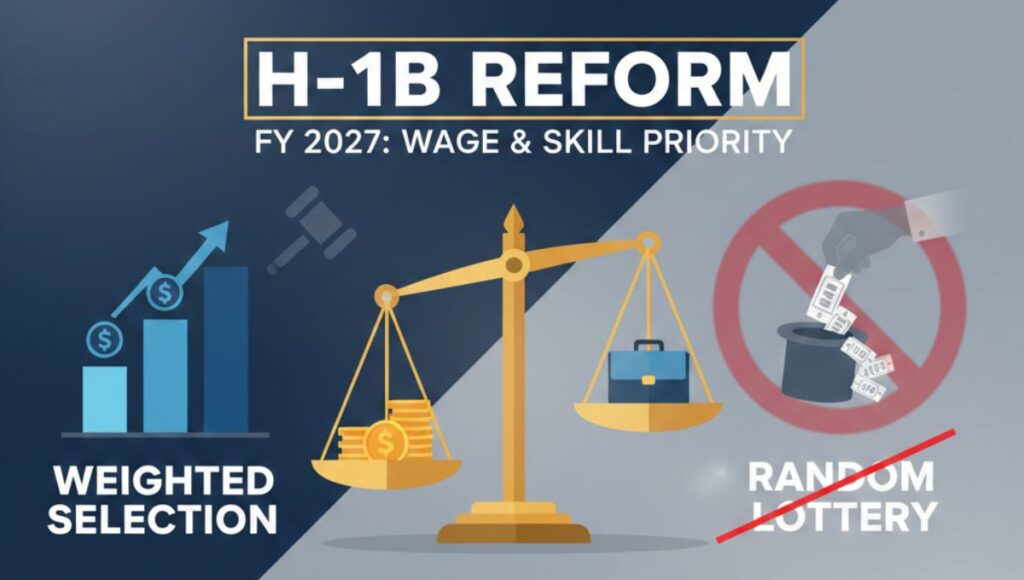
DHS Issues Final Rule Reforming H-1B Visa Selection to Prioritize Higher-Skilled and Higher-Paid Workers

The U.S. Department of Homeland Security (DHS) has finalized a rule significantly reforming the H-1B cap selection process. Effective February 27, 2026, the new rule replaces the prior random lottery selection system with a weighted selection framework that increases the likelihood of selection for H-1B beneficiaries who are higher-skilled and higher-paid. This revised selection system […]
DHS Issues Final Rule Reforming H-1B Visa Selection to Prioritize Higher-Skilled and Higher-Paid Workers Read More »

US Visa Bond Pilot Program

Expansion of the U.S. Visa Bond Pilot Program — Key Legal and Compliance Considerations

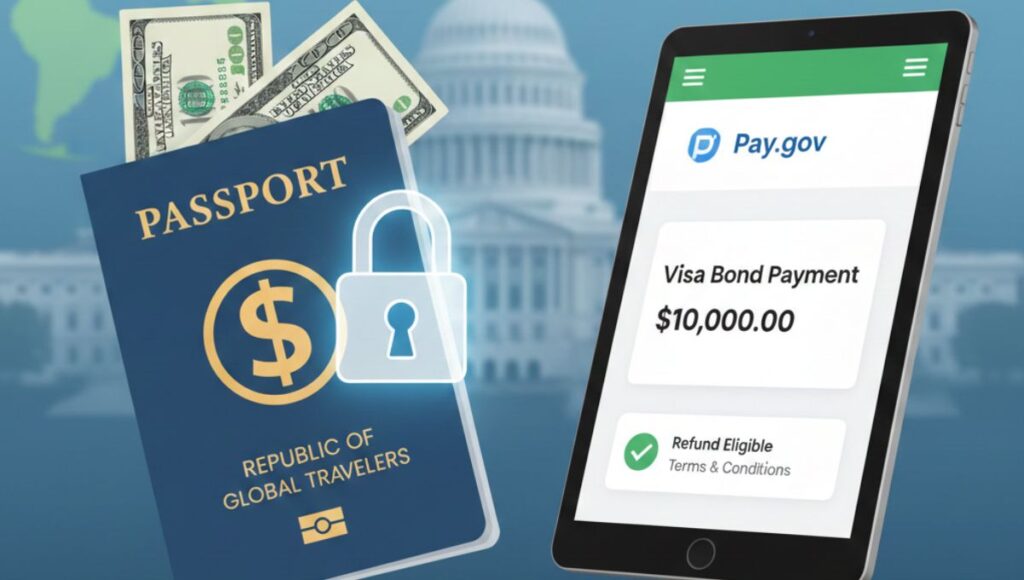
The U.S. Department of State has expanded participation in the Visa Bond Pilot Program, extending coverage to nationals of 38 designated countries who apply for B-1 (business) or B-2 (tourist) visas. Under this program, certain applicants may be required to post a refundable bond in the amount of $5,000, $10,000, or $15,000 as a condition

Expansion of the U.S. Visa Bond Pilot Program — Key Legal and Compliance Considerations Read More »

ESTA Compliance Guidance

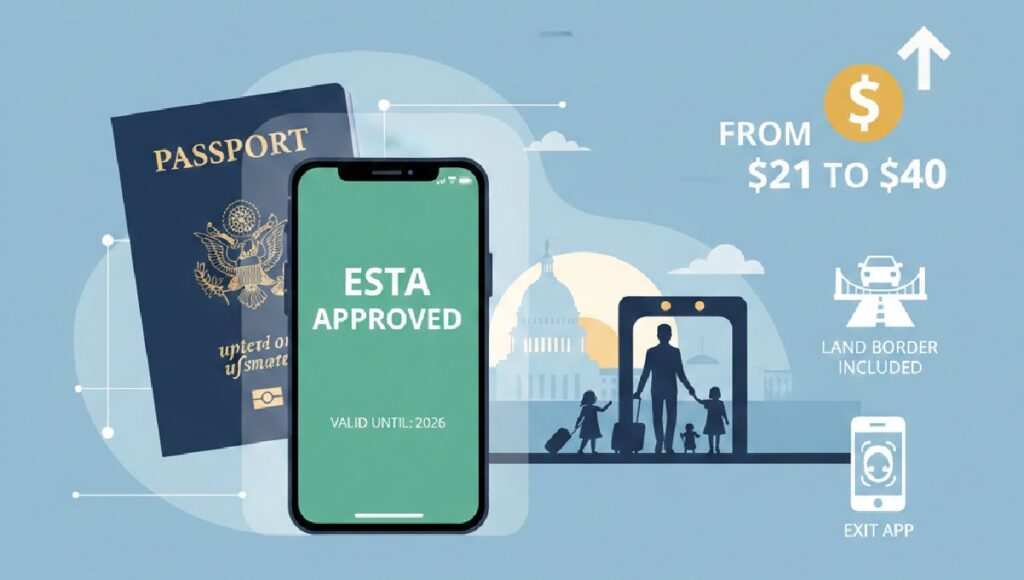
Updates to the Electronic System for Travel Authorization (ESTA): Key Compliance Guidance for Visa Waiver Program Travelers

The Electronic System for Travel Authorization (ESTA) is a mandatory pre-screening mechanism used by most travellers entering the United States under the Visa Waiver Program (VWP). Although ESTA has long been a core element of VWP travel, recent fee adjustments, policy clarifications, and data-collection initiatives highlight the importance of understanding evolving compliance obligations. This legal

Updates to the Electronic System for Travel Authorization (ESTA): Key Compliance Guidance for Visa Waiver Program Travelers Read More »

U.S. Visa Social Media Vetting

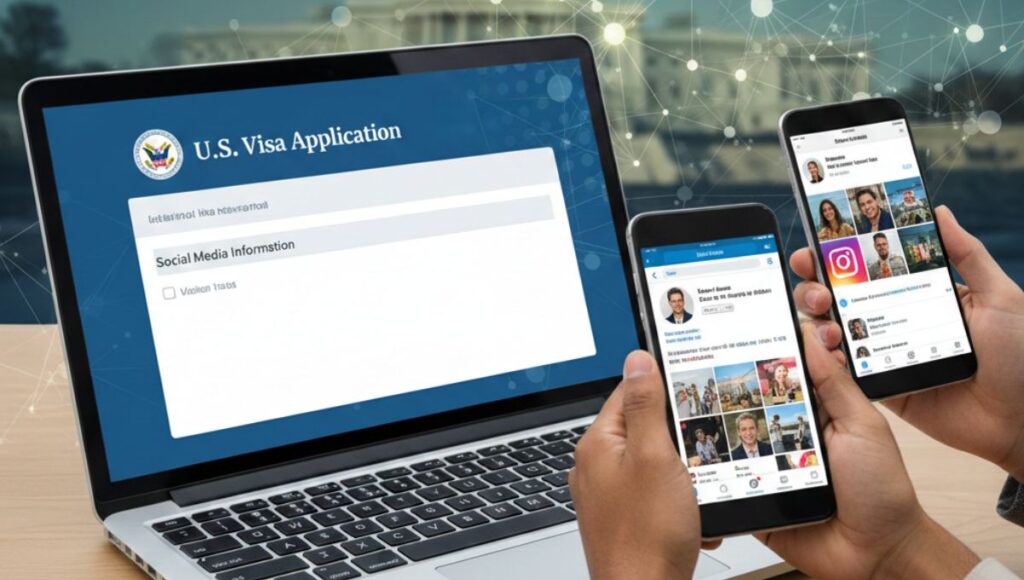
Expanded Social-Media Vetting for H-1B and H-4 Visa Applicants: Key Compliance Guidance for Employers and Foreign Nationals

U.S. immigration vetting continues to evolve as federal agencies strengthen national-security and identity-verification measures. One significant development is the expanded requirement for social-media disclosure during the non-immigrant visa application process. This requirement now applies broadly to H-1B specialty occupation workers and their H-4 dependent family members, similar to longstanding practices in student-visa categories such as

Expanded Social-Media Vetting for H-1B and H-4 Visa Applicants: Key Compliance Guidance for Employers and Foreign Nationals Read More »

H-1B Employee Termination

Termination of H-1B Employees: Legal Standards, Regulatory Obligations, Employer Liability, and Beneficiary Rights

Introduction Termination of an H-1B employee is not a routine HR event. Unlike normal at-will employment, where an employer may terminate a worker for any lawful reason, the H-1B category imposes strict federal immigration obligations on the employer. These rules arise from the Immigration and Nationality Act (INA), the regulations of the United States Citizenship

Termination of H-1B Employees: Legal Standards, Regulatory Obligations, Employer Liability, and Beneficiary Rights Read More »

Change of Status COS

Understanding Change of Status (COS) in the United States: Legal Requirements, Employment Authorization, Compliance Risks, and Best-Practice Guidance

Introduction A Change of Status (COS) in the United States is one of the most frequently misunderstood procedures within the non-immigrant visa framework. Many applicants, employers, and HR teams mistakenly believe that once a COS petition is filed, the beneficiary may begin employment in the new status. This misunderstanding can result in unauthorized employment, violations

Understanding Change of Status (COS) in the United States: Legal Requirements, Employment Authorization, Compliance Risks, and Best-Practice Guidance Read More »

H-1B Visa Stamping Update Chennai

H-1B Visa Stamping Update: U.S. Consulate Chennai Reschedules Post–December 15 Interviews

The U.S. Consulate in Chennai has issued an official notification affecting H-1B principal applicants and H-4 dependents with interview appointments scheduled on or after December 15. Due to newly implemented internal procedures and operational constraints, the Consulate has begun automatically rescheduling many of these interviews, with the majority of applicants receiving new appointment dates in

H-1B Visa Stamping Update: U.S. Consulate Chennai Reschedules Post–December 15 Interviews Read More »

H-1B Prudential Visa Revocation

H-1B and Prudential Visa Revocation: Legal Consequences, Risks, and Essential Guidance for Non-immigrant Workers

Introduction Prudential visa revocation has become increasingly common in recent years, particularly for individuals in professional non-immigrant statuses such as H-1B, L-1, O-1, and F-1. A prudential revocation occurs when the U.S. Department of State (DOS) revokes a visa while the visa holder is physically present in the United States. The rationale is “precautionary”: DOS

H-1B and Prudential Visa Revocation: Legal Consequences, Risks, and Essential Guidance for Non-immigrant Workers Read More »

Trump Gold Card Green Card

Trump’s “Gold Card” Employment-Based Green Card Path: Comprehensive Legal Analysis, Fees, Eligibility, and Practical Challenges

The proposed “Gold Card” Green Card program, announced under the Trump Administration’s 2025 immigration framework, has generated significant attention among employers, foreign professionals, and immigration practitioners. While the policy has been described as a streamlined merit-based immigrant visa pathway, its actual implementation—based on available proclamations, administrative guidance, and fee structures—reveals a far more complex and

Trump’s “Gold Card” Employment-Based Green Card Path: Comprehensive Legal Analysis, Fees, Eligibility, and Practical Challenges Read More »

USCIS I-140 RFE Trends

Employment-Based Immigrant Petitions: USCIS RFE Trends and Best Practices for I-140 Filings

The Form I-140, Immigrant Petition for Alien Worker, is the cornerstone of most employment-based permanent residency cases. Whether filed under the EB-1, EB-2, or EB-3 category, the I-140 requires a petitioner to establish—through credible, contemporaneous, and verifiable evidence—that the beneficiary qualifies for the requested classification and that the employer possesses the ability to offer the

Employment-Based Immigrant Petitions: USCIS RFE Trends and Best Practices for I-140 Filings Read More »

Stay informed on US Immigration.

Subscribe today to receive important updates, expert advice, and opportunities for your US journey.

We don’t spam! Read our privacy policy for more info.