visa

When Visa Sponsorship Becomes a Tool for Exploitation A Case Study on H-1B Abuse and Worker Rights

The H-1B visa program was created to allow U.S. employers to hire skilled foreign professionals when qualified domestic workers are unavailable. However, gaps in enforcement and power imbalances can leave visa-dependent workers vulnerable to exploitation. This article presents an anonymized case-study style discussion based on real-world patterns seen in employment-based immigration disputes, highlighting how immigration […]

When Visa Sponsorship Becomes a Tool for Exploitation A Case Study on H-1B Abuse and Worker Rights Read More »

U.S. Visa Social Media Vetting

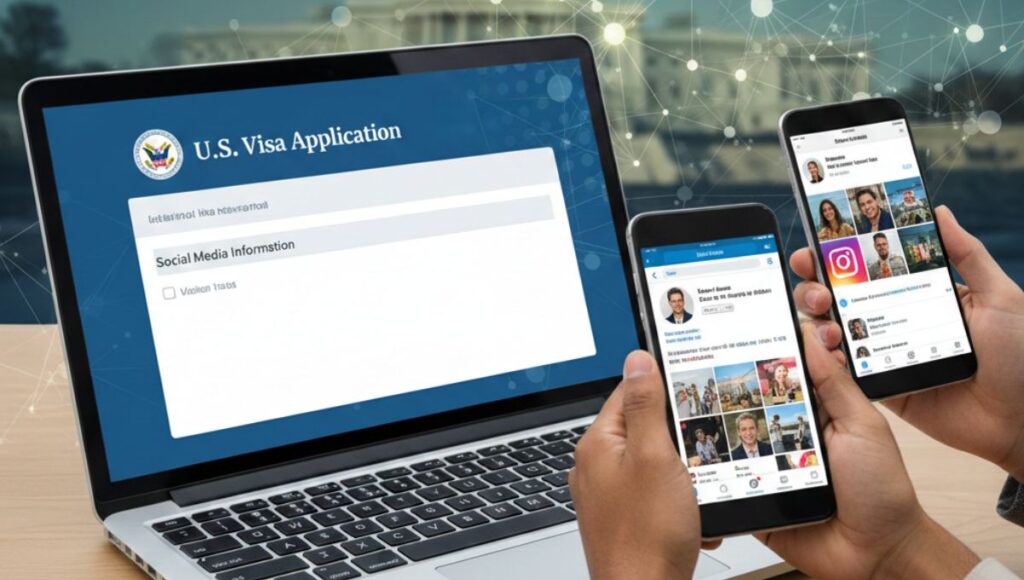
Expanded Social-Media Vetting for H-1B and H-4 Visa Applicants: Key Compliance Guidance for Employers and Foreign Nationals

U.S. immigration vetting continues to evolve as federal agencies strengthen national-security and identity-verification measures. One significant development is the expanded requirement for social-media disclosure during the non-immigrant visa application process. This requirement now applies broadly to H-1B specialty occupation workers and their H-4 dependent family members, similar to longstanding practices in student-visa categories such as

Expanded Social-Media Vetting for H-1B and H-4 Visa Applicants: Key Compliance Guidance for Employers and Foreign Nationals Read More »

H-1B 60-Day Grace Period

The 60-Day H-1B Grace Period: Legal Foundations, Compliance Standards, Beneficiary Rights, and Employer Considerations

Introduction The 60-day post-termination grace period for H-1B professionals is one of the most consequential regulatory protections in U.S. employment-based immigration law. While H-1B status is traditionally tied directly to active employment, the grace period provides temporary relief to individuals who lose employment unexpectedly. The provision, incorporated into immigration regulations to address the realities of

The 60-Day H-1B Grace Period: Legal Foundations, Compliance Standards, Beneficiary Rights, and Employer Considerations Read More »

H-1B Employee Termination

Termination of H-1B Employees: Legal Standards, Regulatory Obligations, Employer Liability, and Beneficiary Rights

Introduction Termination of an H-1B employee is not a routine HR event. Unlike normal at-will employment, where an employer may terminate a worker for any lawful reason, the H-1B category imposes strict federal immigration obligations on the employer. These rules arise from the Immigration and Nationality Act (INA), the regulations of the United States Citizenship

Termination of H-1B Employees: Legal Standards, Regulatory Obligations, Employer Liability, and Beneficiary Rights Read More »

Trump Gold Card Green Card

Trump’s “Gold Card” Employment-Based Green Card Path: Comprehensive Legal Analysis, Fees, Eligibility, and Practical Challenges

The proposed “Gold Card” Green Card program, announced under the Trump Administration’s 2025 immigration framework, has generated significant attention among employers, foreign professionals, and immigration practitioners. While the policy has been described as a streamlined merit-based immigrant visa pathway, its actual implementation—based on available proclamations, administrative guidance, and fee structures—reveals a far more complex and

Trump’s “Gold Card” Employment-Based Green Card Path: Comprehensive Legal Analysis, Fees, Eligibility, and Practical Challenges Read More »

USCIS I-140 RFE Trends

Employment-Based Immigrant Petitions: USCIS RFE Trends and Best Practices for I-140 Filings

The Form I-140, Immigrant Petition for Alien Worker, is the cornerstone of most employment-based permanent residency cases. Whether filed under the EB-1, EB-2, or EB-3 category, the I-140 requires a petitioner to establish—through credible, contemporaneous, and verifiable evidence—that the beneficiary qualifies for the requested classification and that the employer possesses the ability to offer the

Employment-Based Immigrant Petitions: USCIS RFE Trends and Best Practices for I-140 Filings Read More »

B-2 Change of Status

B-2 Change of Status Explained: Filing Requirements, Timeline, and Key Considerations

A B-2 Change of Status (COS) allows an individual who entered the United States in B-2 visitor status (e.g., tourism, family visit, medical treatment) to request permission from U.S. Citizenship and Immigration Services (USCIS) to extend their stay or change to another non-immigrant status1. This could include classifications such as F-1 (student) or H-4 (dependent)2.

B-2 Change of Status Explained: Filing Requirements, Timeline, and Key Considerations Read More »

FY 2026 H-1B Cap

The Upcoming H-1B Cap: A Comprehensive Legal Overview for FY 2026

The H-1B program has long served as a vital bridge for U.S. employers seeking to hire individuals with specialized knowledge and advanced academic preparation. As we approach the FY 2026 cap season, it is essential for employers, beneficiaries, and legal representatives to prepare adequately for the upcoming registration window and the updated regulatory framework governing

The Upcoming H-1B Cap: A Comprehensive Legal Overview for FY 2026 Read More »

Stay informed on US Immigration.

Subscribe today to receive important updates, expert advice, and opportunities for your US journey.

We don’t spam! Read our privacy policy for more info.