Blogs

Continuous Residence Requirement for U.S. Naturalization Explained

For many lawful permanent residents, becoming a U.S. citizen through naturalization is an important milestone. One of the key eligibility requirements is continuous residence in the United States. This requirement is designed to show that an applicant has maintained the United States as their principal place of residence during the required statutory period. Understanding how […]

Continuous Residence Requirement for U.S. Naturalization Explained Read More »

Employment-Based Green Cards Through Consular Processing: What Applicants Need to Know

Obtaining a U.S. employment-based green card through consular processing is a multi-stage immigration process for eligible foreign nationals who are outside the United States. Unlike adjustment of status, which allows eligible applicants already in the United States to apply for permanent residence without leaving the country, consular processing involves completing immigrant visa processing through the

Employment-Based Green Cards Through Consular Processing: What Applicants Need to Know Read More »

L-2 Visa for Spouses and Children: Work Authorization & Status Explained

The L-2 visa allows eligible spouses and unmarried children of certain L-1 nonimmigrant workers to accompany or join the principal visa holder in the United States. Understanding L-2 status, work authorization, and dependent rights is important for families planning to live and work in the U.S. Who Qualifies for an L-2 Visa? L-2 status is

L-2 Visa for Spouses and Children: Work Authorization & Status Explained Read More »

Managing Global Workforce Transfers: A Guide to U.S. Immigration Compliance

Global workforce transfers allow businesses to move skilled employees across international offices while supporting growth, specialized projects, and business continuity. However, transferring employees to the United States requires careful planning to ensure compliance with U.S. immigration and employment requirements. A structured corporate immigration strategy can help employers reduce delays, compliance risks, and operational disruptions. Global

Managing Global Workforce Transfers: A Guide to U.S. Immigration Compliance Read More »

I-601 Waiver Explained: Eligibility, Requirements, and Application Process

An I-601 waiver can provide an important pathway for certain individuals who are otherwise unable to obtain a U.S. immigrant visa, adjustment of status, or admission because they are considered inadmissible under U.S. immigration law. Understanding the eligibility requirements, supporting evidence, and application process is essential when preparing a strong waiver case.</p> What Is an

I-601 Waiver Explained: Eligibility, Requirements, and Application Process Read More »

Work Authorization and Travel Documents: A Complete Guide for U.S. Immigrants

Navigating the U.S. immigration system can feel overwhelming, especially when it comes to understanding which documents allow you to work legally and travel outside the country. Two of the most important documents for immigrants are the Employment Authorization Document (EAD) and the travel document, often issued as Advance Parole. This guide breaks down what each one means, who

Work Authorization and Travel Documents: A Complete Guide for U.S. Immigrants Read More »

EB-1C Visa

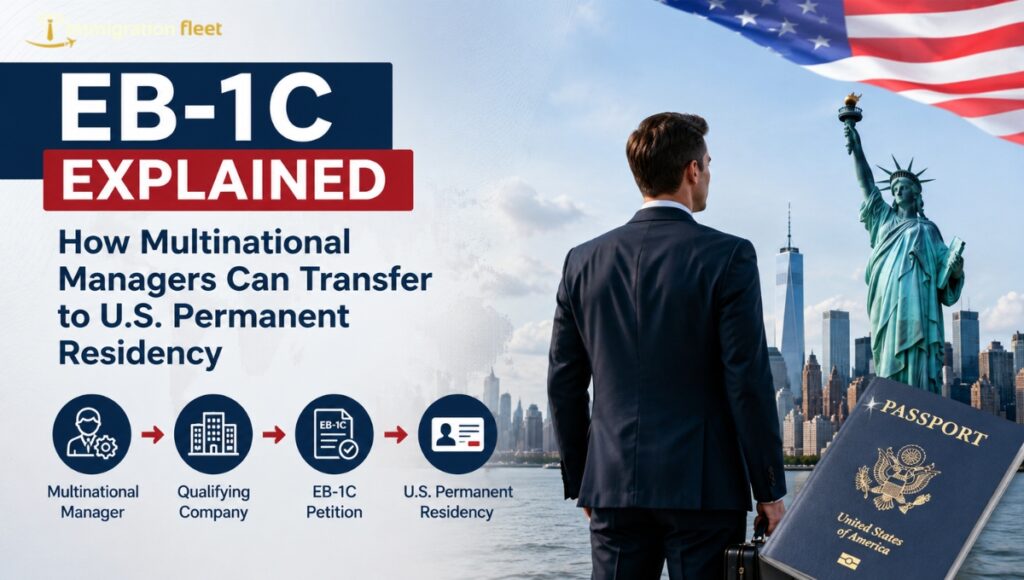
EB-1C Explained: How Multinational Managers Can Transfer to U.S. Permanent Residency

For international executives leading global teams, relocating to the United States permanently doesn’t have to mean starting over. The EB-1C visa offers a direct pathway to a Green Card for managers and executives of qualifying multinational companies — without the wait times associated with many other employment-based categories. What Is the EB-1C Visa? The EB-1C

EB-1C Explained: How Multinational Managers Can Transfer to U.S. Permanent Residency Read More »

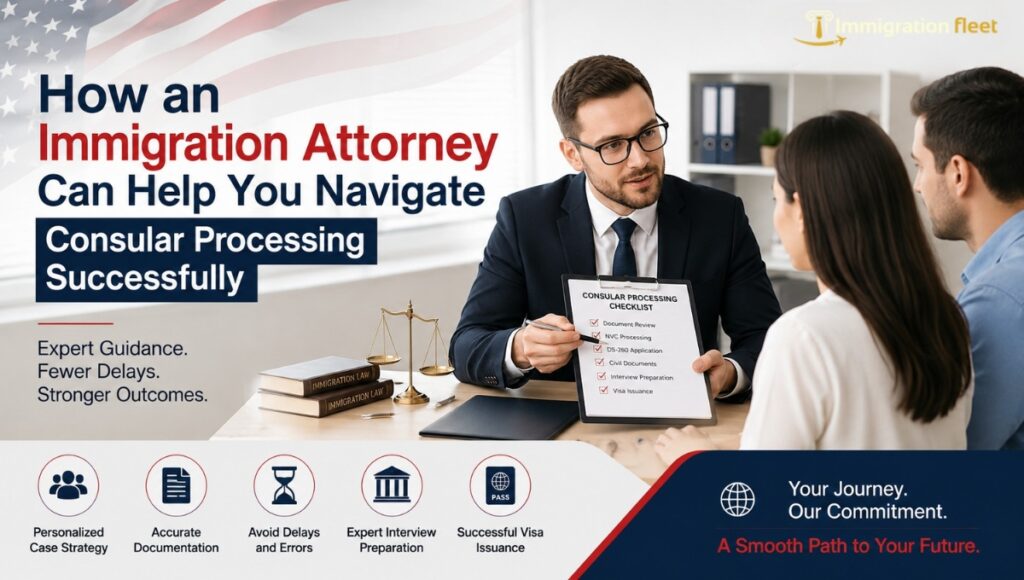
How an Immigration Attorney Can Help You Navigate Consular Processing Successfully

Consular processing is the path many visa and green card applicants must take when completing their immigration case from outside the United States. It involves coordinating with the National Visa Center, submitting the DS-260 form, gathering civil documents, and attending a visa interview at a U.S. embassy or consulate. While it’s possible to handle this

How an Immigration Attorney Can Help You Navigate Consular Processing Successfully Read More »

A Complete Guide to U.S. Dependent and Derivative Visas for Families

Keeping families together is a key objective of the U.S. immigration system. Dependent and derivative visas allow eligible spouses and children to accompany or join a primary visa holder in the United States. Whether you’re moving for work, education, or permanent residency, understanding these visa categories can help ensure a smoother immigration process. This guide

A Complete Guide to U.S. Dependent and Derivative Visas for Families Read More »

Stay informed on US Immigration.

Subscribe today to receive important updates, expert advice, and opportunities for your US journey.

We don’t spam! Read our privacy policy for more info.